今年の紅葉は少しゆっくり?
Read an original N4-level Japanese news article about when the autumn leaves are expected to reach their best colors across Japan in 2026.
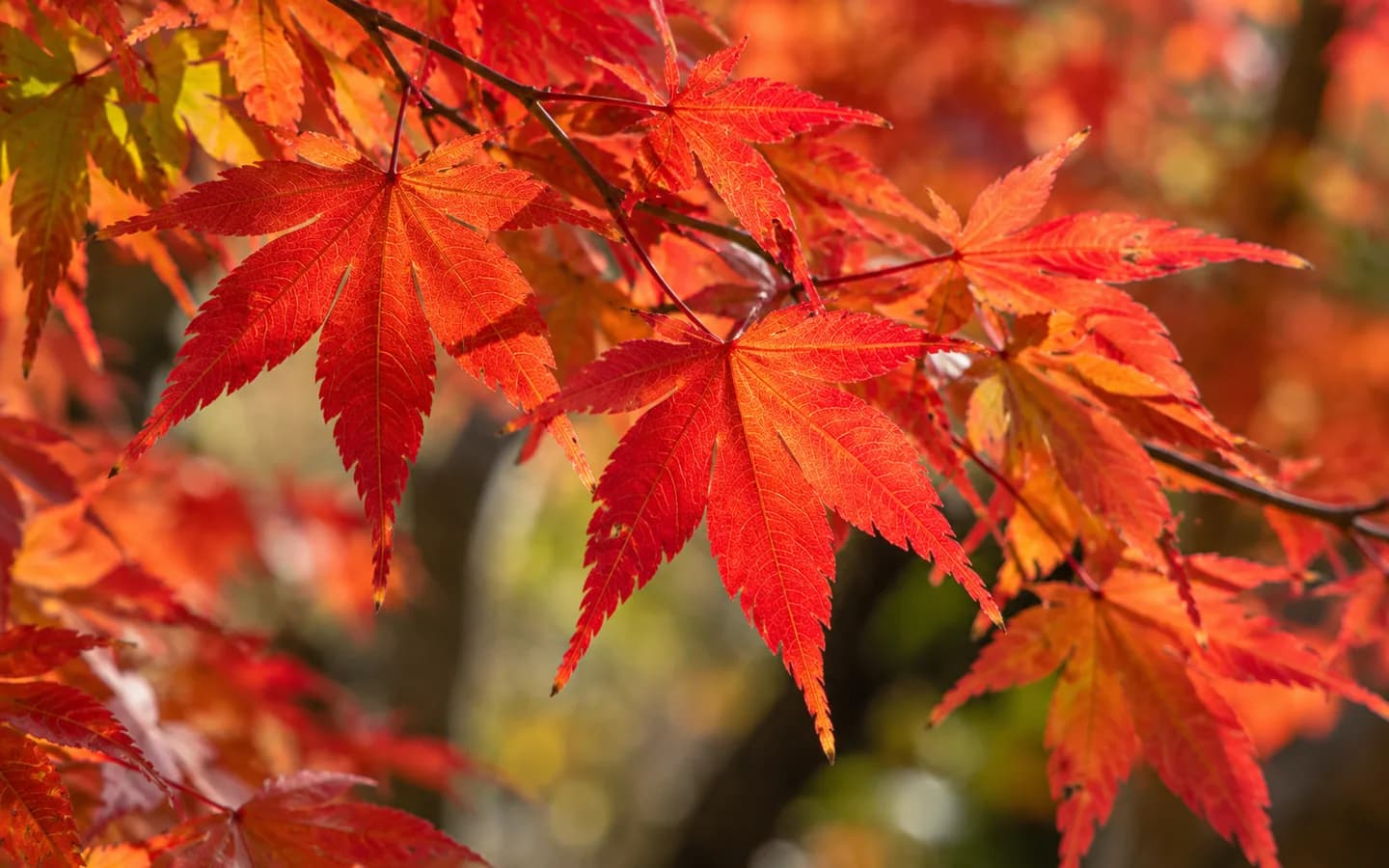
日本気象協会は、10月1日に、今年の紅葉の見頃について発表しました。
On October 1, the Japan Weather Association announced its forecast for the best time to see the autumn leaves this year.
今年の紅葉は、全国的に、いつもの年と同じぐらいか、少し遅くなるそうです。
Across Japan, the autumn colors are expected to arrive around the usual time or a little later than usual.
秋の気温が低いと、葉は早く色づきます。気温が高いと、色づくのが遅くなります。
When autumn temperatures are low, leaves change color earlier. When temperatures are high, they change color later.
北海道や東北の山では、もう色づきが進んでいる所もあります。
In some mountain areas of Hokkaido and Tohoku, the leaves are already changing color.
しかし、東日本と西日本の平地では、見頃が遅くなる所もありそうです。
However, in some low-lying areas of eastern and western Japan, the best viewing time may arrive later.
紅葉を見に行く前に、最新の情報を確認すると安心です。
Before going to see the autumn leaves, it is a good idea to check the latest information.
赤や黄色に変わる秋の景色が、今から楽しみですね🍁
We can already look forward to Japan’s red and golden autumn scenery.
Today's Words
- 紅葉autumn leaves; leaves changing color
- 見頃the best time to see something
- 色づくto change color; to begin coloring
- 平地flat or low-lying land
- 最新latest; newest
What You Can Practice
- 「〜そうです」 can report information you heard or read. 「遅くなるそうです」 means “it is said or expected to be later.”
- 「〜と」 can describe a natural result. 「気温が低いと、葉は早く色づきます」 means that lower temperatures lead to earlier color changes.
- 「〜前に」 means “before doing ~.” 「見に行く前に」 means “before going to see them.”