Tokyo
- Feel
- Mega city
- Convenience
- High
- Cost
- Low
- Good for
- jobs, trains, no car
GAKU daily-life reading
A practical GAKU guide for learners: understand the basic move-in procedures and rules like garbage sorting, compare cities, think about trains, cost, airports, climate, and safety, then practice the Japanese words you will actually use.
Information checked: July 2026
Quick Answer
To live in Japan, you usually need a valid visa or residence status, a place to live, access to work or school, and enough Japanese for daily tasks. This page walks through the basic procedures, daily rules, and how to choose a place — while you practice the practical Japanese for each step. Always check official sources for visa and legal requirements.
Requirements & Procedures
To stay more than 90 days, you need a residence status (在留資格) such as work, study, or family — a tourist stay does not allow living or working in Japan. For most work and study statuses, a sponsor in Japan applies for a Certificate of Eligibility first, then you apply for the visa at a Japanese embassy or consulate.
| Step | What | Where / When |
|---|---|---|
| 1 | Certificate of Eligibility (COE / 在留資格認定証明書) | Your sponsor (employer or school) applies in Japan |
| 2 | Visa application | Japanese embassy / consulate in your country |
| 3 | Residence card (在留カード) | Major airports on arrival, or by mail after registration |
| 4 | Resident registration (転入届) | City / ward office, within 14 days of settling at an address |
| 5 | My Number (マイナンバー) | 12-digit number for tax and social security, mailed after registration |
| 6 | Health insurance + pension | National Health Insurance at the city office if not covered by an employer; pension applies to residents aged 20–59 |
| 7 | Bank account + phone contract | Residence card and a Japanese address usually required |
Daily Life Rules
Garbage in Japan is separated (分別) and collected on fixed days. The pattern is nationwide, but the exact categories, days, and bags are decided by each municipality — get your city's garbage guide or calendar. Many cities offer English versions and apps.
Choosing A Place
Tokyo is convenient, job-rich, and easy to navigate without a car. But for some learners, nearby suburbs or regional cities may feel calmer, more affordable, or easier to enjoy.
Decision Guide
Instead of asking "What is the best city?", ask what daily life needs to feel comfortable for you.
City Comparison
Use this as a friendly starting point, not a definitive ranking. The question is not "which city wins?" but "which daily life fits you?"
| City / Area | Feel | Daily convenience | Cost comfort | Good for |
|---|---|---|---|---|
| Tokyo | Mega city | High | Low | jobs, trains, no car |
| Yokohama | Big city near Tokyo | High | Low-mid | ocean, city life |
| Saitama / Omiya | Practical Tokyo access | High | Mid-high | commuting, lower rent |
| Chiba / Kashiwa | Suburban access | High | Mid | Tokyo + airport balance |
| Tsukuba | Academic and calm | Mid | Mid-high | students, research, nature |
| Nagoya | Major central city | High | Mid | work, travel |
| Osaka | Big and lively | High | Mid | food, culture, jobs |
| Kyoto | Culture city | Mid-high | Low-mid | history, traditional culture |
| Fukuoka | Compact and lively | High | Mid-high | airport, food, lifestyle |
| Sapporo | Spacious northern city | Mid-high | Mid-high | snow, food, lower rent |
Near Tokyo
Many learners imagine Tokyo first, but living near Tokyo can be a useful compromise. Compare train line, commute time, transfers, rent, and whether daily errands are easy near the station.
Life Factors
Japanese Level
Location choice and Japanese level are connected. Use this as a study compass, not a rule.
| Japanese level | Lifestyle fit | GAKU bridge |
|---|---|---|
| Beginner | Big cities, train access, more English support | Start with beginner Japanese reading. |
| Upper beginner | Regional cities with universities or international centers | Practice daily-life vocabulary. |
| Intermediate | Smaller cities, local communities, part-time work or study | Read stories and culture notes with furigana. |
| Advanced | Countryside, neighborhood relationships, deeper local life | Use longer stories and saved vocabulary review. |
Useful Words
These are the words you will actually meet at the city office, the station, and your mailbox. Read them here, then practice them with GAKU flashcards and stories.
Mini Reading
Now read a short passage that uses the ideas from this page: stations, rent, car-free life, and airports.
Food & Culture
Food is a friendly way to compare cities and grow vocabulary without turning this into a dry checklist.
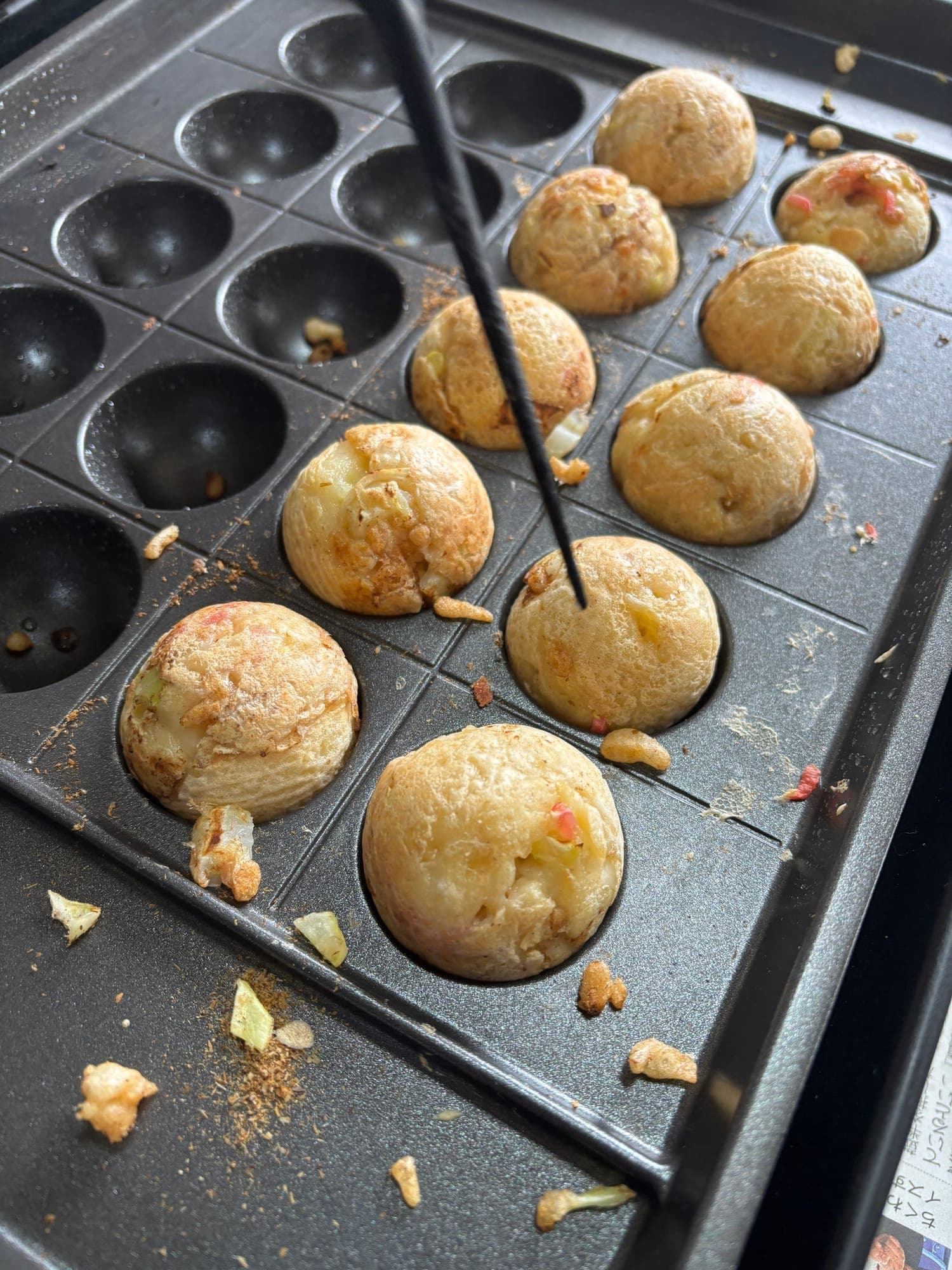
たこ焼きやお好み焼きなど、にぎやかな食文化があります。
Takoyaki, okonomiyaki, and a lively food culture.
たこ焼き / takoyaki食べ歩き / food walk
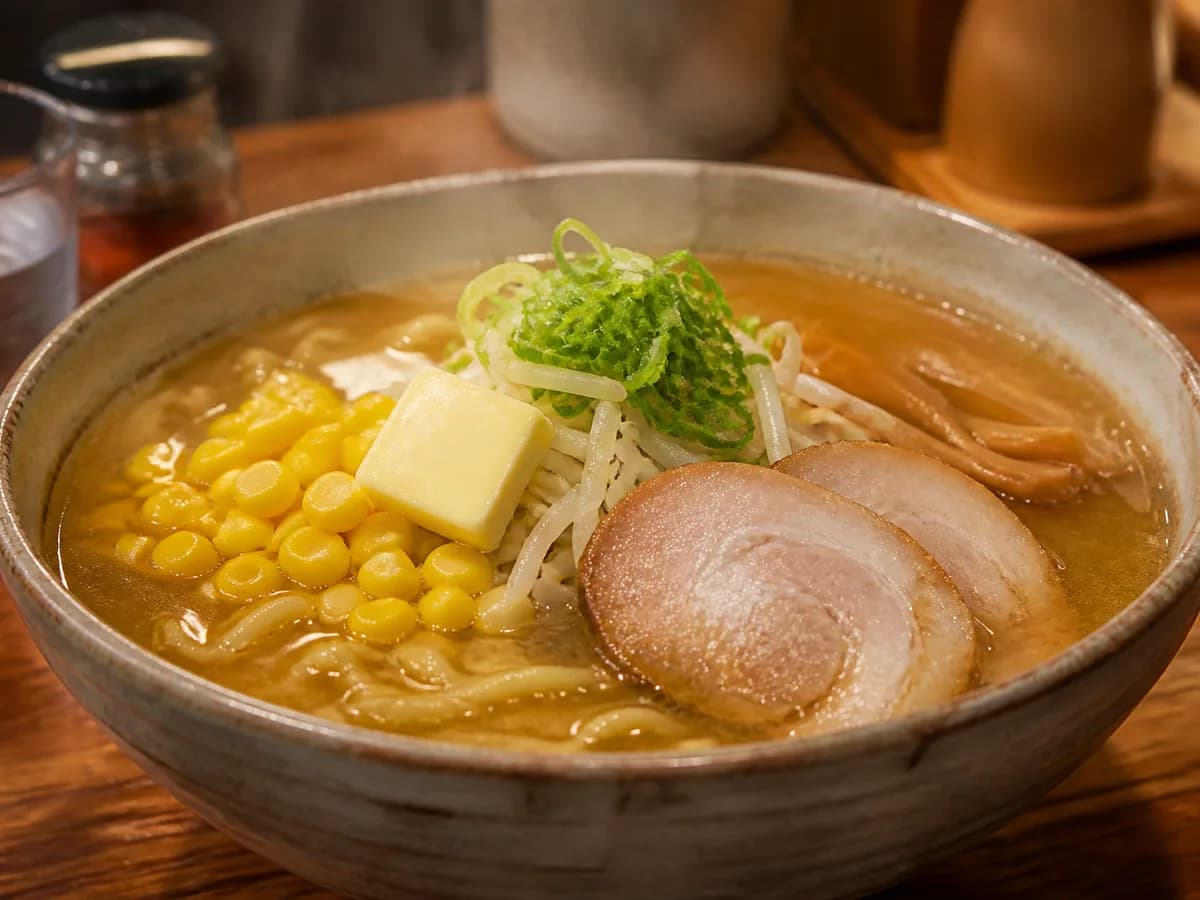
ラーメンをきっかけに、地域の文化や言葉を覚えられます。
Ramen can become a useful hook for learning local culture and vocabulary.
ラーメン / ramen名物 / local specialty
薬局、市役所、銀行、契約は、生活でよく使う言葉です。
Drugstores, city hall, banks, and contracts are useful real-life vocabulary.
日用品 / daily goods市役所 / city hall
毎日の生活を、教材や物語、語彙の復習につなげましょう。
Connect daily life to lessons, stories, and vocabulary review.
読む練習 / reading practice語彙 / vocabulary
Keep Learning
FAQ
Start by checking your residence status options, work or school plans, housing, and daily-life Japanese. For stays over 90 days you need a residence status, and most work or study statuses begin with a Certificate of Eligibility application in Japan.
You usually need a residence status and residence card, resident registration at the city office within 14 days of settling at an address, health insurance, and in daily life a bank account and phone contract.
Garbage is separated into burnable, non-burnable, recyclable, and oversized categories, each with fixed collection days. The exact rules differ by municipality, so check your city's garbage guide or calendar.
Tokyo is convenient, but it is not the only answer. Lifestyle, budget, commute, climate, and your Japanese level all matter when choosing where to live.
In many big cities such as Tokyo, Osaka, Yokohama, Fukuoka, Nagoya, and Kyoto, yes. In smaller towns, check station and bus access carefully before deciding.
Start with daily-life words such as rent, station, city hall, hospital, bank, contract, address, garbage sorting, and safety words like earthquake and typhoon.
Read short daily-life passages with furigana, save the vocabulary, and review with flashcards. GAKU offers free reading practice and stories for this.
No. This page is general information for learners. For visa, residence, and legal requirements, always check the Immigration Services Agency of Japan and your municipal office.